
“So when’s a good time to go?” That’s the first thing almost everyone asks once they hear Sasan Gir is the last place on the planet with wild Asiatic lions. Fair question. Short version: winter. November through February. But that’s not really the whole story, because every season here does something a little different, and a couple of them have their own case to make. Along the way most people also start looking at a luxury resort in Sasan Gir, Gujarat, since a decent place to sleep between safaris makes a bigger difference than you’d think. Below, season by season and month by month, with the packing and booking bits worked in too.
Quick Answer, If You’re in a Hurry
November to February is the safe bet, cool air, green forest, comfortable jeep rides. If you don’t mind the heat, March to May is actually great for sightings since the animals are forced out to water. Want fewer people around? Try October or the first half of November, right after reopening. And just so you know, the park shuts completely from mid-June to mid-October for the monsoon; no safaris at all during that window.
Why the Month You Pick Actually Matters
This isn’t a wildlife park with feeding times posted on a board. It’s a real forest, and the animals move with the weather, not a schedule. So the month you choose ends up deciding a surprising amount:
- Whether the jeep ride is pleasant or a small ordeal.
- How likely you are to actually see something.
- Whether the park’s even open when you land.
- What your room costs, since prices swing hard with the crowds.
The Three Seasons, Briefly
Winter (Nov–Feb)
This is the crowd favourite, and it’s earned. Days sit somewhere between 10°C and 25°C, there’s still some green left over from the monsoon, and the early morning light is the kind photographers get excited about. Lions are more active at dawn and dusk when it’s cool, and if you like birds, migratory species start showing up too. The trade-off? Everyone knows this, so December and January book out fast. Sort your safari permits and stay four to six weeks ahead if you can, last-minute in peak winter usually means higher prices and fewer choices.
Summer (Mar–mid June)
It gets properly hot, we’re talking past 40°C some afternoons. Not exactly pleasant. But here’s the upside nobody mentions enough: the forest thins out and dries up, so animals are far easier to spot, especially near whatever water’s left. Take the first safari of the day before the heat sets in, dress light, drink more water than feels necessary, and just write off noon to 4pm as rest time. Rooms tend to be cheaper too, which helps.
Monsoon (mid June–mid Oct)
No safaris, full stop. The tracks turn to mud, animals retreat deep into cover, and the park closes for everyone’s sake. That said, if you’re the type who likes a quiet, green, half-empty destination, this season isn’t wasted; you just won’t get near a lion. Rates drop a lot, and Somnath Temple or Diu make for decent day trips while you’re in the area.
Month by Month, If You Want the Detail
- January – cold mornings, clear skies, probably your best odds all year.
- February – still mild, still dry, good for families.
- March – warming fast, animals start gathering near water.
- April – hot by midday, but early safaris hold up well.
- May – brutally hot, though the photos somehow come out great.
- June – rising heat, first rains, park shuts around mid-month.
- July–September – closed and wet, only for people chasing green quiet.
- October – reopens mid-month, forest looks freshly washed.
- November – the good stretch begins, crowds still manageable.
- December – full peak, cool air, and the holiday rush.
Lions Don’t Ignore the Weather Either
They rest most of the day no matter the month, that part never changes. What changes is where and when. Cooler weather has them wandering more in the open. Heat pushes them into shade until dawn or dusk. And once the rains hit, they vanish into thick cover, which is honestly half the reason the park just shuts down for those months. Worth keeping in mind before you set your expectations too high for any one safari.
Best Time by Traveller Type
Chasing lion sightings
Winter or summer, take your pick, they get you there through different routes. Winter means active lions in cool air. Summer means thin cover and animals stuck near water. Either way, go early.
Photography and birding
November through February, no contest. Soft light, green backdrop, migratory birds passing through. October’s a decent runner-up if the forest-just-after-rain look appeals to you.
Travelling with kids
December to February. Mild weather, manageable jeep rides, and you can space out two safaris with a lazy afternoon in between instead of forcing a full day.
Couples, honeymoons, that sort of trip
November or February hit a nice middle ground, cooler evenings, noticeably fewer people than December. Pair it with a quiet stay and it works.
Booking a Safari Without the Stress
Gir runs fixed time slots, morning, late morning, and afternoon, with permit numbers capped, and the exact timings shift a bit depending on the season. Check the official Gujarat forest department site before you travel rather than trusting an old itinerary, seats vanish fast during the busy months. A few things that’ll save you a headache:
- Book permits online early, especially December through February.
- Take the morning slot if a sighting is the priority.
- Bring a valid photo ID, you’ll need it at the gate.
- Wear brown, olive, beige, nothing bright.
- Keep quiet, skip the perfume, no sudden movements.
- Just listen to your guide. They know things you don’t.
Beyond the Safari Itself
There’s more to the area than the jeep ride, worth carving out time for a few of these:
- Devalia Safari Park – a fenced-off stretch where you view lions from a bus, easier pace.
- Kamleshwar Dam – quiet, scenic, tucked inside the forest.
- Somnath Temple – the well-known seaside temple most people add on anyway.
- Tulsishyam Temple – hilltop, hot springs, a nice change of pace.
- Or just take a village walk and try some local Gujarati food, honestly underrated.
Packing Notes
Winter: jackets, scarves, warm socks, mornings get colder than people expect. Summer: light cotton, a hat, sunglasses, sunscreen, and don’t skip the water bottle. Year-round: binoculars, a camera with some zoom, a power bank since charging points are scarce, and basics like insect repellent and hand sanitiser tucked in somewhere.
Where You Stay Matters More Than You’d Think
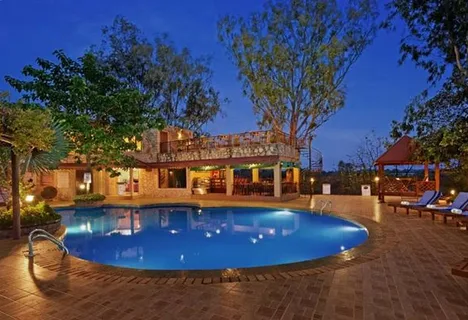
A good base cuts your travel time, gets you to the gate on time for that first safari, and gives you somewhere decent to collapse afterward. That’s really why so many people end up booking a luxury resort in Sasan Gir, Gujarat close to the forest edge instead of somewhere further out. Le Casa Lion Resort fits that brief, calm, nature-first, and set up for exactly this kind of trip. A quick rundown of the stay options:
Premium accommodation in Sasan Gir, Gujarat
Winter fills up fast, so premium accommodation in Sasan Gir, Gujarat is worth locking in early if you want any real choice of dates. Look for attentive staff, reliably hot water, and someone who can actually help with safari logistics, not just a front desk that nods along.
Luxury rooms in Sasan Gir, Gujarat
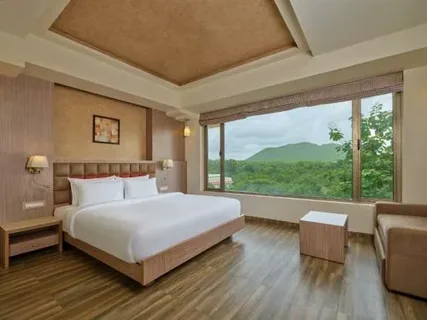
Nothing beats coming back from a cold morning drive to properly warm, well-kept luxury rooms in Sasan Gir, Gujarat. Heating that actually works in winter, cooling that holds up in summer, and enough quiet that the 5am wake-up doesn’t feel quite so brutal.
Cottage stay in Sasan Gir, Gujarat
If you’re travelling as a family or a small group, a cottage stay in Sasan Gir, Gujarat gives you the space and privacy that a standard room can’t. Kids get room to run, and the evenings feel a lot less cramped.
Forest view villa in Sasan Gir, Gujarat
For couples, a forest view villa in Sasan Gir, Gujarat is the one to book. Green views right from the window, birdsong instead of an alarm, and a pace that’s slower on purpose.
Mistakes Worth Avoiding
- Leaving safari bookings to the last minute in peak season.
- Showing up in July or August expecting a jeep safari, it won’t happen.
- Booking just one safari and hoping that’s enough, it usually isn’t.
- Wearing bright colours that spook the animals.
- Skipping warm layers because the daytime sun tricks you into thinking mornings will be warm too.
A Few Practical Tips Before You Go
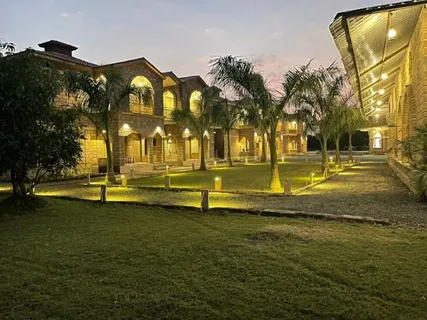
Book the safari and the stay at the same time, it saves a scramble later. Get there a day early so you’re not running on no sleep for the first jeep ride. Two nights minimum, honestly, one safari alone is a gamble. Keep dates a little loose if you can, since sightings are never guaranteed. Junagadh and Rajkot are the usual jumping-off points if you’re driving. And pick a stay that actually helps you plan the safari side of things, Le Casa Lion Resort does this well.
Bottom Line
November to February is still the answer most people should go with, cool weather, easier safaris, a forest that’s pleasant to be in. Summer trades comfort for better sightings if you can stand the heat, and monsoon is really only for people who want quiet over lions. Whatever you land on, book early. And if a relaxed, forest-edge stay matters to you, a luxury resort in Sasan Gir, Gujarat like Le Casa Lion Resort is a solid way to anchor the whole trip.
| Book Your Stay Today
Start planning your wild escape at Le Casa Lion Resort, Sasan Gir. |
Frequently Asked Questions
Q1. What’s the single best month to visit?
January, most likely, cold clear mornings and the best odds of a sighting all year.
Q2. Is the park open during monsoon?
No. It’s closed mid-June through mid-October, so don’t plan a safari trip around those dates.
Q3. Winter or summer for lions?
Honestly, both work, just book the early morning slot whichever you pick.
Q4. How many days should I plan for?
Two nights, three days is the sweet spot, enough time for two safaris without rushing.
Q5. Where do I actually book the safari?
Through the official Gujarat forest department portal, and earlier than you think if it’s winter.
Lorem ipsum dolor sit amet, consectetur adipiscing elit. Ut elit tellus, luctus nec ullamcorper mattis, pulvinar dapibus leo.
Lorem ipsum dolor sit amet, consectetur adipiscing elit. Ut elit tellus, luctus nec ullamcorper mattis, pulvinar dapibus leo.